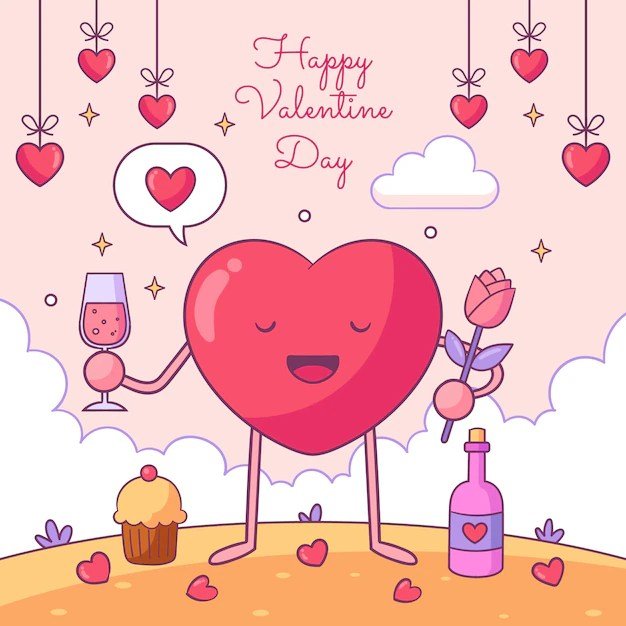
The delightful world of Valentine's Day cartoons has a surprisingly rich and engaging past, tracing its History & Evolution of Valentine's Day Cartoons from simple romantic gestures to sophisticated, often hilarious, modern expressions of affection. These charming visual narratives aren't just sugary sweet; they're a vital thread in the fabric of how we've communicated love, friendship, and even self-care over centuries. From the earliest hand-drawn sentiments to today's digital memes, these illustrated declarations offer a unique window into cultural shifts, technological advancements, and the enduring human desire to connect.
At a Glance: The Enduring Journey of Valentine's Cartoons
- Ancient Roots, Visual Stirrings: While Valentine's Day began with ancient Roman rituals and saintly legends, the desire to visually convey affection started brewing in the Middle Ages.
- 19th-Century Boom: The Industrial Revolution, combined with figures like Esther Howland, propelled the mass production of ornate cards featuring early, often hand-colored, illustrations.
- Cartoon Renaissance: The 20th century saw the rise of established comic strip aesthetics and beloved characters influencing card designs, making humor and relatable scenarios central.
- Digital Transformation: The internet brought a new era, with animated GIFs, e-cards, and social media allowing for instant, shareable, and often user-generated cartoon expressions of love.
- More Than Romance: Modern Valentine's cartoons embrace diverse themes—friendship, self-love, and even gentle satire—reflecting the holiday's evolving meaning.
- Timeless Appeal: Their enduring charm lies in their ability to convey complex emotions with simplicity, humor, and a touch of nostalgic warmth.
From Ancient Whispers to Illustrated Sentiments: The Genesis of Valentine's Day Art
Before the familiar cartoon hearts and cupids, Valentine's Day was a blend of ancient pagan rites and emerging Christian traditions. It wasn't born with illustrations, but the groundwork for visual communication of affection was slowly being laid. Imagine the fervor of Lupercalia, a Roman fertility festival, morphing over centuries into the romantic notions popularized by figures like Geoffrey Chaucer in the late 14th century, who linked February 14th with birds finding their mates. These early romantic ideas, though primarily expressed through poetry and handwritten letters—like the 1415 missive from the Duke of Orleans—created a yearning for more accessible and universal expressions of love.
As literacy rates climbed and printing technology advanced, the desire to send something more personal than a plain letter grew. Early valentines weren't cartoons as we know them, but rather intricate paper creations, often adorned with lace, ribbons, and small, symbolic engravings. These nascent visual elements, primarily flowers, cupids, and hearts, were the primordial soup from which the first Valentine's cartoons would eventually emerge. They were a step away from pure text, hinting at the power of an image to convey sentiment.
The Paper Revolution: When Cartoons Found Their Card
The real turning point for Valentine's Day cartoons arrived with the 19th century and the twin forces of the Industrial Revolution and a burgeoning postal system. Suddenly, sending a pre-made, beautifully illustrated card became a practical and affordable option for a wider populace. In the United States, Esther Howland, often called the “Mother of the American Valentine,” revolutionized the industry by mass-producing intricate, ornate cards. Her creations were not just paper; they were tiny works of art, featuring embossed designs, delicate cut-outs, and, crucially, illustrations.
These early illustrations were distinct from modern cartoons. They were often idealized, sentimental depictions of cherubs, doves, floral arrangements, and romantic couples in pastoral settings. Think Victorian elegance rather than contemporary wit. Artists meticulously engraved plates, and many cards were hand-colored, adding to their preciousness. While these weren't "cartoons" in the satirical or comedic sense, they represented the first widespread use of designed imagery specifically for Valentine's greetings, establishing the visual language we still recognize today. This era cemented the idea that a picture could speak volumes, softening hearts and conveying affection in a way words alone sometimes struggled to capture.
The Rise of Humor: From Sentimental Scenes to Comic Strips
As the 19th century gave way to the 20th, the visual landscape of Valentine's Day cards began to transform. The increasing popularity of newspaper comic strips and illustrated magazines brought a new aesthetic: bolder lines, more expressive characters, and a growing appreciation for humor and relatable scenarios. Gone were some of the stuffier Victorian sentiments, replaced by a lighter, more approachable tone.
Companies like Hallmark, which began mass-producing cards in the early 1900s, played a pivotal role in this shift. They harnessed the emerging talents of illustrators who could inject personality and narrative into their designs. Instead of just static symbols, cards started to tell mini-stories. A mischievous Cupid might miss his mark, or a couple might navigate a humorous mishap. These were simple, often single-panel cartoons designed to elicit a chuckle or an "aww," making the act of giving a Valentine feel less formal and more personal.
This period also saw the development of iconic, recurring characters that would come to define the "cute" and "funny" styles of Valentine's Day. Think of the simple, heartfelt expressions of Charlie Brown and the Peanuts gang, or the endearing clumsiness of other classic comic strip characters. Their familiar faces and relatable predicaments lent themselves perfectly to the card format, offering a touch of nostalgic comfort and shared experience. This was the era where the Valentine's cartoon truly came into its own, blending sentiment with a healthy dose of charm and lightheartedness.
The Digital Age: Cartoons Go Viral
The latter half of the 20th century and the dawn of the 21st ushered in perhaps the most dramatic evolution for Valentine's Day cartoons: the digital revolution. With the advent of personal computers, the internet, and then smartphones, the ways we create and share visual content exploded.
- E-cards and Animated GIFs: Early online platforms allowed users to send digital "e-cards," which often featured animated cartoons. These simple animations brought characters to life, winking, blowing kisses, or performing short, humorous skits. The GIF format, in particular, became a ubiquitous tool for quick, shareable animated expressions, perfect for conveying fleeting emotions or a funny observation.
- User-Generated Content: Social media platforms democratized cartoon creation and sharing. Suddenly, anyone with a drawing app or a meme generator could create and disseminate their own Valentine's-themed cartoons. This led to a huge diversification in style, humor, and messaging, ranging from deeply personal inside jokes to broadly satirical takes on the holiday.
- Webcomics and Indie Artists: The internet also gave rise to countless webcomics and independent artists who found a global audience for their unique styles. Many of these creators leverage Valentine's Day as an opportunity to create special strips or illustrations that resonate with their followers, often exploring themes beyond traditional romance, such as friendship, self-love, and even the humorous struggles of being single on the holiday.
This digital transformation hasn't just changed how we see Valentine's cartoons; it's changed how we interact with them. They've moved from static objects to dynamic, interactive, and endlessly shareable cultural artifacts. They continue to evolve, always adapting to new platforms and modes of communication while retaining their core appeal: a charming way to express affection. To truly grasp the breadth of this visual history, you might want to explore our main Valentines Day cartoon hub.
Decoding the Enduring Charm: Why Valentine's Cartoons Persist
Why have these simple, often whimsical, illustrations maintained their stronghold on our hearts for so long? The enduring appeal of Valentine's Day cartoons lies in their unique ability to bridge gaps, convey complex emotions simply, and often, make us laugh.
Relatability & Humor
At their best, Valentine's cartoons offer a moment of shared understanding. Whether it's a cartoon about the awkwardness of a first date, the comfort of long-term love, or the joy of Galentine's Day with friends, they tap into universal human experiences. Humor, in particular, acts as a wonderful icebreaker, allowing people to express affection without becoming overly sentimental or intense. A well-placed cartoon can lighten the mood, poke fun at romantic clichés, or celebrate the quirks of a relationship.
Visual Storytelling in a Snapshot
A single panel or a short animation can tell a whole story. Cartoons excel at simplifying complex emotions or scenarios into easily digestible visual narratives. They convey tenderness, longing, joy, or playful exasperation with just a few lines and colors, making them incredibly effective for communicating feelings quickly and powerfully. This visual shorthand transcends language barriers, allowing for universal appeal.
A Touch of Nostalgia and Tradition
For many, Valentine's Day cartoons evoke a sense of childhood wonder and tradition. Receiving a cartoon-adorned card can bring back fond memories of school exchanges or early crushes. This nostalgic element adds another layer of warmth and familiarity, connecting us to a long lineage of love expressed through charming illustrations.
Accessibility and Inclusivity
Cartoons often use a universal visual language, making them accessible to a wide audience, regardless of age or cultural background. Furthermore, modern Valentine's cartoons have become increasingly inclusive, celebrating diverse forms of love and relationships—friendship, self-love, family bonds, LGBTQ+ partnerships—reflecting the broader evolution of the holiday itself. They provide a safe and playful medium for expressing a wider spectrum of affections.
Sentiment Without Sappiness
Sometimes, expressing deep affection can feel intimidating or overly earnest. Cartoons offer a fantastic workaround. They allow for genuine sentiment, often heartfelt and sweet, but frequently tempered with a touch of wit or whimsy. This balance makes them a comfortable way to say "I love you" or "I appreciate you" without feeling overly sappy or intense, appealing to those who prefer a lighter touch.
The Art of the Heart: Evolving Styles and Themes
Just as the nature of love itself evolves, so too do the artistic styles and thematic content of Valentine's Day cartoons.
From Elaborate Victorian to Simplistic Modern
Early Valentine's illustrations were highly detailed, often featuring intricate borders, embossed textures, and idealized romantic imagery. They reflected the ornate aesthetic of the Victorian era. Over time, styles streamlined. The mid-20th century brought cleaner lines, brighter colors, and characters with more exaggerated, expressive features, influenced by animation and comic strips. Today, we see everything from minimalist designs to highly detailed digital art, often leveraging diverse graphic design principles.
Classic Tropes, Modern Twists
The core iconography of Valentine's Day remains potent: hearts, cupids, flowers, and entwined couples. These symbols have been consistently reinterpreted through cartoon lenses. Cupid, for instance, might be depicted as a clumsy, arrow-missing character, or a tech-savvy matchmaker. Hearts might be literally worn on sleeves, or comically oversized.
However, themes have expanded significantly. While romantic love remains central, cartoons now frequently celebrate:
- Friendship: Highlighting the bond between pals, reflecting the rise of "Galentine's Day" and similar celebrations.
- Self-Love: Humorous or encouraging cartoons about self-care, personal growth, and embracing singlehood.
- Diverse Relationships: Cartoons increasingly depict a broader range of ages, ethnicities, and sexual orientations, embracing a more inclusive view of love.
- Pop Culture Parody: Leveraging current trends, movies, or memes to create relevant and timely humor.
The Power of Satire and Irony
While many Valentine's cartoons are sweet, a significant segment thrives on satire and irony. These often poke fun at the commercialism of the holiday, the pressures of romance, or the sometimes-absurd expectations associated with love. Such cartoons offer a cathartic release and resonate with those who appreciate a more cynical, yet still affectionate, take on February 14th. They prove that love, even in its most idealized form, can also be a source of witty commentary.
Common Questions About Valentine's Day Cartoons
Let's address some common curiosities about these visual tokens of affection.
Who Drew the Very First Valentine's Cartoon?
It's nearly impossible to pinpoint a single "first" Valentine's cartoon artist. Early valentines were often produced anonymously by print shops or small-scale illustrators. The transition from simple decorative engravings to truly cartoony illustrations was gradual, emerging from the general print culture of the early to mid-19th century as printing techniques improved and popular imagery shifted. Artists working for companies like Currier & Ives or later, Esther Howland, likely contributed to the earliest forms of what we might recognize as a Valentine's cartoon.
How Have Valentine's Cartoons Adapted to New Technologies?
Hugely! From early woodblock prints and engravings to lithography, then mass-produced offset printing for greeting cards, and now to digital art, animation software, and AI-generated imagery, the medium has always evolved with technology.
- Printing Innovations: Allowed for greater detail, color, and faster production.
- Television & Film: Inspired dynamic characters and storytelling tropes seen in card designs.
- The Internet: Enabled e-cards, animated GIFs, webcomics, and widespread sharing via social media, making cartoons instantly accessible and global.
- AI & Digital Tools: Offer new ways for artists to create and for users to customize their own cartoon messages.
Are Valentine's Cartoons Still Popular in a World of Texts and Emojis?
Absolutely. While texts and emojis offer instant, abbreviated ways to communicate, Valentine's cartoons provide a more curated, often more personal, and artistically expressive alternative. They offer:
- Meaningful Depth: A cartoon can convey more specific humor or sentiment than an emoji.
- Personal Touch: Even a mass-produced card with a cartoon chosen specifically for a recipient feels more personal than a generic text.
- Nostalgia and Tradition: Many still enjoy the tangible act of giving and receiving a physical card, especially if it features a beloved cartoon character.
- Digital Innovation: Online, animated cartoons and custom digital art thrive, showing that the format itself is adapting to modern communication methods.
Crafting Your Own Animated Affection: A Modern Guide
Inspired by this rich history? You don't need to be a professional artist to tap into the charm of Valentine's cartoons. Here's how you can create or choose impactful cartoon expressions of love today:
1. Know Your Audience (and Their Sense of Humor)
The most effective cartoons resonate personally. Is your recipient sentimental, or do they prefer witty sarcasm? Do they love classic characters, or are they into niche internet memes? Tailoring the cartoon to their personality is key. A heartfelt cartoon might be perfect for a spouse, while a funny, slightly self-deprecating one could be ideal for a close friend.
2. Focus on Genuine Emotion or Humor
Whether you're aiming for a laugh or a heartfelt "aww," ensure the emotion feels authentic.
- Humor: Think about shared experiences, inside jokes, or gentle self-deprecation. Avoid anything that might be misinterpreted or cause offense.
- Sentiment: Convey warmth, appreciation, or love with sincerity. Simple, clean visuals often work best for heartfelt messages.
3. Leverage Digital Tools or Embrace the Handmade
You have more options than ever:
- Digital Drawing Apps: Apps like Procreate, Adobe Fresco, or even simple drawing tools on your phone allow for creative expression. You can draw a simple stick-figure cartoon that still feels incredibly personal.
- Online Card Makers: Many websites offer templates where you can customize cartoons, add your own text, and even animate elements.
- Printable Templates: Find free or low-cost printable cartoon templates online that you can customize and color yourself.
- Hand-Drawn Charm: Don't underestimate the power of a simple, hand-drawn cartoon. The effort and personal touch often mean more than artistic perfection. A quick sketch on a sticky note can be just as impactful as an elaborate digital creation.
4. Think Beyond the Card: Cartoons in New Formats
Consider different ways to share your cartoon:
- Text Message/DM: A quick, funny cartoon GIF can brighten someone's day.
- Social Media Post: Share a custom cartoon celebrating friendship or love.
- Printable Art: Frame a special cartoon illustration as a lasting gift.
- Animated Story: Use simple animation tools to create a short, sweet video message.
5. Don't Overthink It: Keep It Simple
The most charming cartoons are often the simplest. You don't need intricate details or complex narratives. A clear message, a relatable character, and a touch of genuine feeling are often more than enough to create a memorable and cherished Valentine's cartoon. The goal is to make someone smile, feel loved, or share a laugh.
Looking Ahead: The Future of Love's Lighter Side
The History & Evolution of Valentine's Day Cartoons is a vibrant, ongoing story. From their modest beginnings as decorative elements on handcrafted cards to their omnipresent role in our digital lives, these visual expressions of affection continue to evolve. As technology advances and our understanding of love broadens, Valentine's cartoons will undoubtedly keep pace, reflecting our ever-changing world while holding fast to their core mission: to bring a little extra joy, humor, and heartfelt connection to the celebration of love in all its forms. Whether you're sending a classic, a modern meme, or a hand-drawn doodle, you're participating in a rich tradition that proves a picture truly is worth a thousand words—especially when those words are "I love you" (or "you're awesome!").