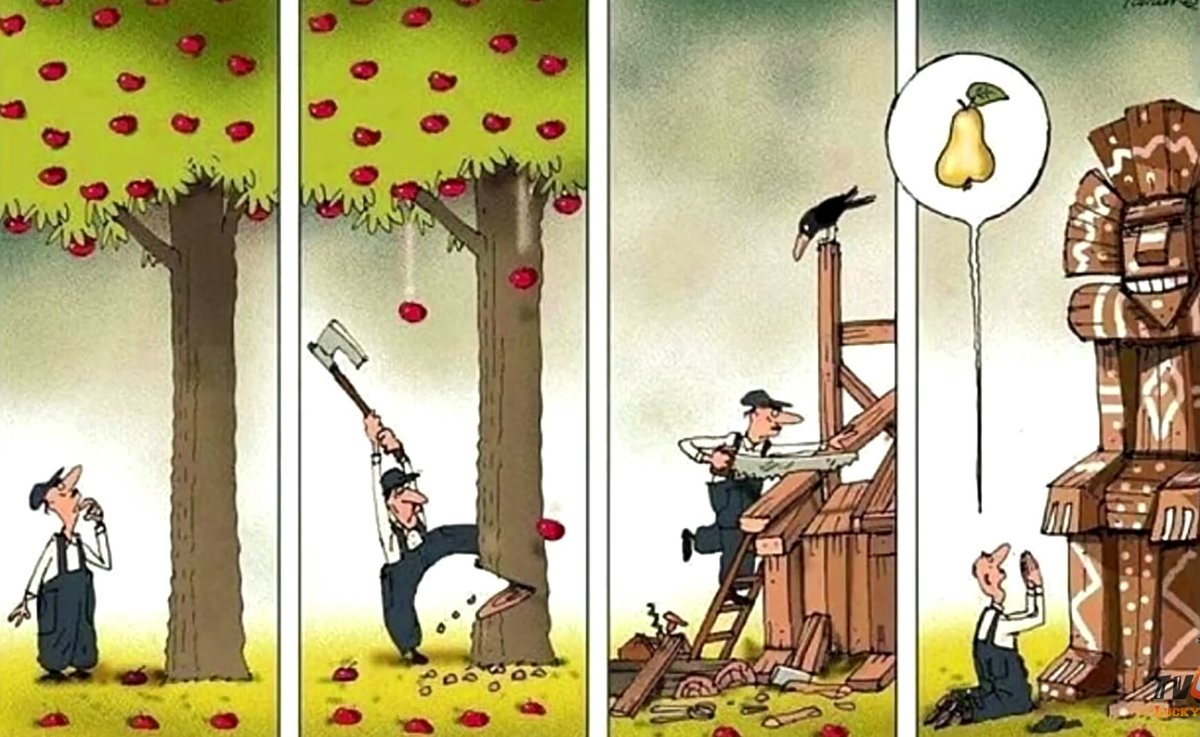
Forget the predictable roses and saccharine cards for a moment. When it comes to expressing the messy, beautiful, and often absurd realities of romance, nothing quite hits the mark like humorous & satirical Valentine's cartoons & comics. They slice through the Hallmark haze with a keen, witty blade, offering a refreshing and relatable perspective on what love really looks like, beyond the idealized imagery. These aren't just chuckles; they're often poignant observations, shared sighs of understanding, and sometimes, a much-needed poke at the commercial pressures of the holiday itself.
At a Glance: Why Witty Valentine's Comics Resonate
- Breaks the Mold: Offers an antidote to overly sentimental or generic Valentine's messages.
- Relatable Humor: Highlights the everyday realities, quirks, and challenges of relationships.
- Sharp Social Commentary: Often critiques the commercialism and unrealistic expectations surrounding the holiday.
- Stress Reliever: Provides a healthy outlet for shared laughter about love's imperfections.
- Unique Gifting: A memorable and personal way to express affection or commiseration.
- Diverse Perspectives: Reflects a wide range of relationship statuses, from happily coupled to proudly single.
Beyond the Roses: Why We Love a Witty Valentine
Valentine's Day, for all its good intentions, often comes with a hefty dose of pressure. The expectation of grand gestures, perfect dates, and declarations of undying love can feel overwhelming, or worse, disingenuous. This is where the magic of satirical and humorous Valentine's cartoons truly shines. They give us permission to laugh at the awkwardness, the imperfections, and the sheer absurdity that can accompany matters of the heart.
A well-crafted Valentine's comic doesn't just deliver a punchline; it often taps into a universal truth. It acknowledges that love isn't always candlelight dinners and poetic whispers. Sometimes, it's about navigating whose turn it is to do the dishes, surviving an ill-fated date, or simply finding solace in shared silence—and the humor found within those less-than-glamorous moments is incredibly powerful. These cartoons don't diminish love; they humanize it, making it more accessible and, frankly, more lovable.
A Peek Behind the Punchline: What Makes a Valentine's Cartoon Satirical?
Not all funny Valentine's cartoons are satirical, and that's an important distinction. While humor aims for a laugh, satire goes a step further. It uses humor, irony, exaggeration, or ridicule to expose and criticize people's stupidity or vices, particularly in the context of contemporary politics and other topical issues. In the realm of Valentine's Day, this means:
- Critique of Commercialism: Often targeting the blatant consumerism that has become synonymous with the holiday, from overpriced chocolates to forced romantic dinners.
- Exposing Relationship Tropes: Lampooning clichés like "love at first sight," the "perfect couple," or the often-unrealistic expectations set by romantic comedies.
- Highlighting Social Pressures: Addressing the societal push for everyone to be coupled up, the woes of singledom, or the performative aspects of modern romance (especially on social media).
- Exaggerating Everyday Realities: Taking common relationship quirks—like a partner's snoring, differing opinions on thermostat settings, or the eternal struggle over remote control—and blowing them up for comedic effect, often revealing a deeper, relatable truth.
The beauty of satire is its ability to make us think while we laugh. It's a mirror held up to our own behaviors and societal norms, albeit a slightly warped, funhouse mirror. A truly great satirical Valentine's cartoon offers both an immediate giggle and a lingering "aha!" moment. It's about finding the sweet spot between funny and insightful, without necessarily being mean-spirited.
The Many Faces of Valentine's Satire
The world of humorous & satirical Valentine's cartoons & comics is incredibly diverse, reflecting the myriad ways artists interpret love and its challenges. You'll find these witty observations in various formats, each with its own unique charm and reach.
Classic Single-Panel Gags: The Everyday Wit
Think of the cartoons you might find in a newspaper or a classic magazine. These single-panel gags are masters of conciseness, delivering a complete comedic narrative or observation in one image and often a short caption. For Valentine's, they frequently depict couples in relatable, slightly absurd scenarios: a husband and wife exchanging practical gifts ("Happy Valentine's Day, here's that new power drill you wanted!"), or a single person making the most of their independence ("My Valentine's date is a large pizza and a Netflix marathon"). Their strength lies in their immediate impact and often universal appeal. They're quick, digestible, and perfect for a shared laugh over coffee.
Webcomics & Digital Narratives: A New Frontier for Love and Laughter
The internet has democratized cartooning, giving rise to an explosion of webcomics. These digital-first creations often feature ongoing characters and storylines, allowing for more nuanced comedic development and satirical arcs related to relationships. From slice-of-life comics that capture the tiny, funny moments of a long-term partnership to those that explore the unique absurdities of online dating or remote relationships, webcomics have become a vibrant space for Valentine's humor. They can be incredibly interactive, building communities around shared experiences of love, frustration, and laughter. If you're interested in how digital platforms have transformed the landscape for creators and consumers alike, you can the rise of digital comics and their impact on how we consume humor and satire today.
Editorial Cartoons with a Romantic Twist: Social Commentary through Love
While not exclusively focused on romance, editorial cartoons occasionally turn their sharp gaze to Valentine's Day, especially when it intersects with broader social or political themes. These might critique government policies impacting relationships, satirize public figures' romantic lives (with caution, of course), or highlight the economic pressures of the holiday through a political lens. They're often more pointed and provocative, using the established imagery of love and hearts to make a larger statement about society.
Greeting Card Gold: Commercializing the Chuckle
The commercial greeting card industry, ironically, has also embraced humorous and satirical Valentine's messages. Recognizing that not everyone wants a mushy card, many companies now offer cards that poke fun at everything from aging together to the trials of parenthood to simply "tolerating" each other. These cards bridge the gap between mass-produced sentiment and personalized wit, offering an accessible way to share a laugh with a loved one without having to draw it yourself. You might also find independent artists selling their unique, often more edgy, satirical Valentine's designs on various online marketplaces.
Crafting the Perfect Jibe: Themes & Tropes in Humorous Valentine's Art
The wellspring of inspiration for humorous & satirical Valentine's cartoons & comics is endless, drawing from the vast and often contradictory experiences of love and relationships. Cartoonists masterfully distill these complex emotions and scenarios into digestible, hilarious, and sometimes uncomfortable truths.
Relationship Struggles: The Everyday Grind
The mundane realities of shared life provide fertile ground for humor. Cartoons often depict the little spats and compromises:
- The Chore Wars: Who takes out the trash? Whose turn is it to cook?
- Communication Breakdown: Misinterpretations, unspoken expectations, the classic "What are you thinking?" moment.
- Personal Habits: Snoring, leaving socks on the floor, hogging the covers – these become endearing (or infuriating) quirks in a cartoon.
- Differing Interests: One partner obsessed with gaming, the other with gardening, trying to find common ground.
These everyday struggles, when exaggerated with a comedic touch, become instantly recognizable and relatable, fostering a sense of "us too!" among readers.
Love vs. Reality: Disillusionment & Post-Honeymoon Phase
The contrast between romantic ideals and the often-grittier reality of long-term relationships is a goldmine for satire.
- The "Before & After" Effect: Depicting couples on their first date vs. ten years later, perhaps wearing sweatpants and arguing over TV shows.
- Fading Romance: The shift from passionate embraces to practical discussions about bills or leaky faucets.
- Myth-Busting: Challenging the notion of a "perfect partner" or "happily ever after," revealing the ongoing work and compromise required.
Singles' Struggles & Anti-Valentine's Day Sentiment
Humor isn't just for couples. Many satirical Valentine's cartoons focus on the single experience, providing solidarity and laughs:
- The Search for "The One": Poking fun at dating app profiles, bad dates, or the endless quest for connection.
- Embracing Solitude: Celebrating independence and mocking the pressure to be paired up.
- Anti-Valentine's Day Rebellion: Cartoons that depict people actively ignoring or subverting the holiday's romantic agenda, perhaps indulging in self-care or spending time with friends.
Modern Love: Dating Apps, Social Media & Remote Relationships
The digital age has introduced a whole new set of romantic quirks and challenges that cartoonists are quick to observe:
- Dating App Disasters: Swiping left on absurdity, catfishing, ghosting, and the endless profile crafting.
- Social Media Performance: Couples staging "perfect" photos for Instagram, the pressure to publicly display affection.
- Remote Relationship Woes: Video call mishaps, longing glances across screens, the challenges of maintaining connection from afar.
Commercialization of the Holiday: The Cynical Heart
One of the most common targets for Valentine's satire is the blatant consumerism that defines the holiday:
- Overpriced Gifts: The expectation of expensive jewelry, lavish dinners, or generic teddy bears.
- Forced Romance: The feeling of obligation to participate in romantic gestures, rather than genuine spontaneity.
- Corporate Manipulation: How businesses capitalize on love, turning affection into a market opportunity.
The Eternal Battle of the Sexes: Humorous Takes
While evolving, the humorous observations on differences between men and women remain a staple:
- Stereotypical Reactions: Playful exaggerations of how each gender might approach gifts, emotions, or decision-making.
- Misunderstandings: The classic "he said/she said" scenarios, often highlighting different communication styles.
To really explore different types of Valentine's humor in depth, you'd find that these themes often intertwine, creating rich layers of comedic observation that resonate with a broad audience.
From Concept to Cackle: The Art of Drawing Laughter
Creating a truly effective humorous or satirical Valentine's cartoon is an art form. It's not just about a funny idea; it's about translating that idea into a visual narrative that instantly communicates the punchline and the underlying message.
Visual Styles: From Simple Sketches to Elaborate Scenes
The visual approach can significantly impact the humor:
- Minimalist & Abstract: Often using stick figures or highly simplified characters to focus purely on the dialogue or situation, making the humor more universal.
- Exaggerated & Cartoonish: Bold lines, over-the-top expressions, and distorted features amplify the comedic effect, making the absurd more apparent.
- Detailed & Realistic (with a Twist): Sometimes, placing a completely ridiculous scenario in a realistically drawn setting can heighten the humor through incongruity.
The style often serves the message. A subtle, dry wit might be paired with a cleaner, more understated drawing, while a slapstick gag might call for more boisterous visuals.
Wordplay and Visual Gags: The One-Two Punch
Many great Valentine's cartoons combine clever wordplay with strong visual elements.
- Puns & Double Meanings: A caption that can be interpreted in two ways, with the visual reinforcing the comedic ambiguity.
- Visual Metaphors: Depicting abstract concepts like "love languages" or "emotional baggage" literally in the drawing.
- Running Gags: In multi-panel comics, recurring visual elements or character quirks that build comedic momentum.
The most successful cartoons often have a clear, concise caption that either sets up the visual gag or delivers the punchline directly, making every word and line count.
The Importance of Timing
In comedy, timing is everything. For cartoons, this means:
- Panel Progression: In multi-panel comics, how the narrative unfolds from one frame to the next, building anticipation for the final reveal.
- Placement of Text: Where the caption or speech bubble appears in relation to the characters or action.
- Facial Expressions & Body Language: The precise moment a character reacts, often conveying more humor than words alone.
A master cartoonist understands how to guide the reader's eye and control the pace of the joke, ensuring the comedic payoff lands perfectly.
Choosing Your Valentine's Chuckle: A Guide to Gifting & Sharing
Selecting the right humorous or satirical Valentine's cartoon, whether for a loved one, a friend, or even just for your own amusement, requires a bit of thoughtful consideration. It's about ensuring the humor lands and resonates positively.
Consider Your Audience: Who's Getting the Laugh?
This is paramount. What one person finds hilarious, another might find offensive or simply not funny.
- Your Partner: Are they cynical or sentimental? Do they appreciate dark humor, or prefer lighthearted jests? Do they relate to specific relationship struggles depicted?
- A Friend: Is this a pal who's commiserating about single life, or someone who'd appreciate a joke about their long-term partnership?
- Yourself: What kind of humor do you need to lighten the mood around Valentine's Day?
Avoid anything that could genuinely hurt feelings or dredge up sensitive topics. The goal is shared laughter, not awkward silence.
Personalization vs. Universal Appeal
Some cartoons are incredibly specific, touching on niche experiences (e.g., "the woes of dating a D&D enthusiast"). Others offer more universal humor (e.g., "relationship based on coffee consumption").
- Personalization: If you know your recipient well, a cartoon that directly references an inside joke, a shared experience, or a specific quirk can be incredibly impactful and endearing.
- Universal Appeal: For broader sharing or if you're unsure of specific tastes, choose cartoons that highlight common, relatable human experiences in love and life.
Where to Find Them: A Treasure Trove of Wit
The internet is a vast gallery for humorous & satirical Valentine's cartoons & comics:
- Online Cartoon Archives: Websites dedicated to cartoonists often have searchable databases. Many platforms like CartoonStock and Shutterstock (though access to content was restricted in my research, these are known sources) house extensive collections.
- Independent Artists & Webcomics: Platforms like Instagram, Tumblr, Webtoon, and Patreon are home to countless talented artists creating original content. Following specific cartoonists whose humor you enjoy is a great strategy.
- Social Media: Funny Valentine's cartoons often go viral on platforms like X (formerly Twitter), Facebook, and Reddit, making them easy to discover and share.
- Specialty Greeting Card Stores: For physical cards, look for independent designers or companies known for their witty, less traditional offerings.
For more detailed tips for choosing the perfect funny Valentine's cartoon, consider the context, the medium, and the lasting impression you want to make.
The Unsung Heroes: Cartoonists and Their Sharp Pens
Behind every perfectly timed punchline and brilliantly drawn character is a cartoonist, an observer of life with a unique ability to distil complex ideas into simple, impactful imagery. They are the unsung heroes who help us process the world, and our relationships within it, through the lens of humor. From the earliest political caricatures to modern webcomic artists, cartoonists have consistently used their art to comment on society, and the realm of love and romance is no exception. Their work often provides a crucial historical record of changing societal norms, relationship dynamics, and even fashion, all wrapped up in a package designed to elicit a smile or a chuckle. If you're curious to delve into the history of satirical cartoons, you'll find a rich tradition of using humor to provoke thought, challenge authority, and simply make us laugh.
More Than Just a Laugh: The Deeper Impact of Valentine's Satire
While their primary goal is to make us laugh, humorous & satirical Valentine's cartoons & comics often have a more profound impact, both personally and culturally.
Stress Relief and Shared Understanding
Laughter is a powerful stress reliever. In the face of Valentine's Day pressures, a well-placed satirical cartoon can deflate tension, remind us not to take things too seriously, and provide a much-needed mental break. For couples, sharing a laugh over a cartoon that perfectly encapsulates a shared quirk or struggle can be an intimate bonding experience, reinforcing that they're "in this together." For singles, it offers a sense of solidarity and a reminder that their experiences are valid and even humorous.
Normalizing Imperfections
Romantic comedies and traditional Valentine's imagery often paint an impossibly perfect picture of love. Satirical cartoons, by contrast, normalize the imperfections: the arguments, the bad habits, the unglamorous moments. This can be incredibly liberating, reminding us that real love is messy, human, and often quite funny. It helps us feel less alone in our struggles and more accepting of our own and our partners' flaws.
Challenging Norms and Sparking Conversation
By critiquing the commercialization of Valentine's Day or the unrealistic expectations surrounding relationships, these cartoons can spark important conversations. They encourage us to question societal norms, think critically about our own behaviors, and redefine what romance means to us personally, rather than blindly conforming to external pressures. They're a gentle nudge towards authenticity, encouraging us to find genuine connection and joy, not just performative gestures.
Frequently Asked & Fondly Answered
Let's address some common curiosities about the role and nature of Valentine's satire.
Q: Is satirical humor always mean-spirited or cynical?
A: Not at all. While satire uses critique, its intent is often to highlight truth, provoke thought, or simply find humor in absurdity. Good satirical Valentine's cartoons aim for lighthearted jabs at universal experiences, not malicious attacks. The best satire comes from a place of observation and understanding, not outright meanness.
Q: Can these cartoons actually improve relationships?
A: Absolutely! Shared laughter is a cornerstone of healthy relationships. When a couple can laugh together at their own quirks, the challenges they face, or the wider absurdities of love, it fosters intimacy, resilience, and a sense of "we're a team." It's a low-stakes way to acknowledge and bond over life's imperfections.
Q: Where can I find classic examples of humorous Valentine's cartoons?
A: Many historical archives of newspapers and magazines (like The New Yorker, Punch, or even local papers) are great sources. Online, look for digital collections from prominent cartoon syndicates or websites dedicated to specific historical cartoonists. These often provide a fascinating look at how love and humor have been depicted across different eras.
Q: Are there specific platforms or artists known for this kind of content?
A: Yes, many! On social media, artists like Sarah Andersen (Sarah's Scribbles), Adam Ellis, or the creators behind popular webcomics often delve into relationship humor. Websites like The Awkward Yeti (Nick Seluk) also offer highly relatable and often satirical content. For more traditional single-panel gags, publications like The New Yorker continue to be a benchmark.
Beyond the Holiday: Embracing Humor in Love All Year Round
While Valentine's Day provides a focal point, the appeal of humorous & satirical Valentine's cartoons & comics truly lies in their ability to resonate far beyond a single date on the calendar. They serve as a powerful reminder that love, in all its forms, is inherently funny. It's full of missteps, unexpected turns, profound connections, and daily absurdities.
So, as you navigate the complexities of your own romantic journey, remember the power of a good laugh. Seek out the artists who make you chuckle, share the cartoons that make you nod in agreement, and don't be afraid to find the humor in your own experiences. After all, a relationship that can laugh at itself is a strong one, and a person who can laugh at the world (and Valentine's Day) is a well-adjusted one. For a deeper dive into the vast world of romantic visual commentary and to Explore Valentines Day cartoons from various angles and artistic styles, the internet offers an endless scroll of wit and wisdom.